

Get Started with Cognee
Quickstart your journey with Cognee. Install, configure, and run your first example to build AI memory applications.
Choose the best product for you
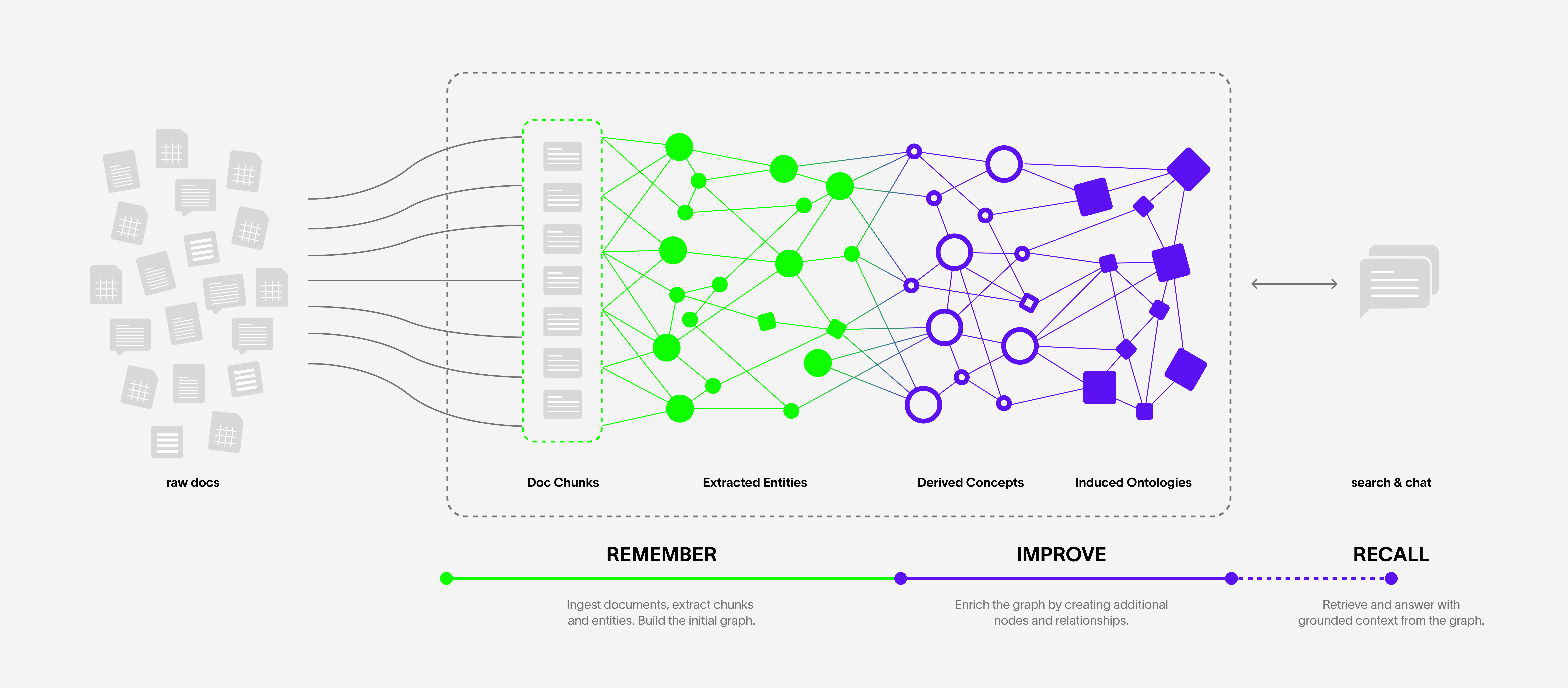
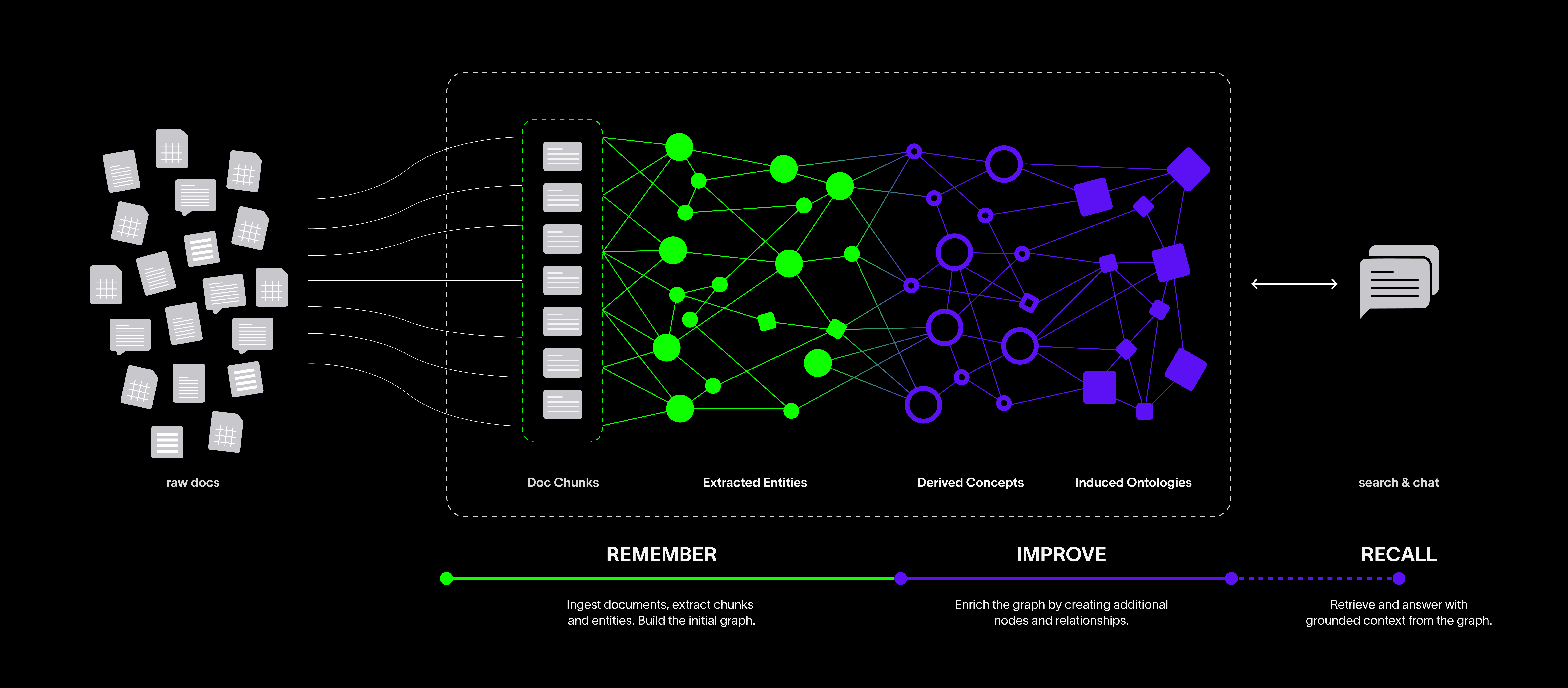
All four build the same kind of memory — a knowledge graph you fill withremember and query with recall — so the choice comes down to where that memory runs and what you build in.
Cognee
Python, self-hostedThe open-source engine, and the place to start if you are not sure: the Python library, the CLI, the MCP server, the HTTP API, and direct integrations. Runs on your own machine with embedded databases, or on your own infrastructure.
Cognee Cloud
Hosted, nothing to installThe same engine, managed: a web UI, preconfigured storage, pipeline execution, and dataset-level permissions for a team. Reach it from the Python SDK, the HTTP API, or MCP — or run the same UI locally for free, with no account.
Rust SDK
On-device, experimental
cognee-rs builds memory pipelines for phones, watches, and embedded targets, driven by a cognee-cli binary. You build it from source with Cargo — there is no hosted or pip install path.TypeScript SDK
Node.js
@cognee/cognee-ts brings the same memory API to Node.js through native bindings over cognee-rs. Install it from npm and point it at local memory or at your Cognee Cloud tenant.